

KUALA LUMPUR, June 5, 2026 – As the world faces growing geopolitical uncertainty, supply chain disruptions and increasing climate pressures, the maritime sector is rapidly emerging as one of the most strategic frontiers of the future global economy.
Many countries are now shifting their focus toward the development of the blue economy as part of broader efforts to strengthen economic resilience through sustainability, green technology and marine-based industries.
According to the World Bank, the blue economy refers to the sustainable use of ocean resources to generate economic growth, create jobs and improve livelihoods without compromising marine ecosystems.
For Malaysia, the issue is no longer merely an option for future development, it is becoming a strategic necessity.
As a maritime nation located along some of the world’s busiest international trade routes, Malaysia possesses significant advantages to position itself as a major player in the regional maritime economy.
The country’s vast maritime territory, expanding port infrastructure and established logistics and shipping industries provide a strong foundation for the growth of the blue economy.
Today, the maritime sector already contributes significantly to Malaysia’s economy through fisheries, marine tourism, shipping, logistics and trade-related activities.
Previously, the development of the blue economy was also highlighted under the Twelfth Malaysia Plan (2021–2025), covering sectors such as fisheries and aquaculture, renewable energy, shipbuilding, marine biotechnology and sustainable waste management.
However, observers believe Malaysia is still moving slower than several other countries that have aggressively invested in green maritime technologies and modern shipping systems.
At the same time, global pressure to reduce carbon emissions is accelerating major transformations in the shipping industry, including the adoption of low-carbon fuels, energy-efficient vessels and greener maritime technologies.
Associate Professor Dr Hanizah Idris of the University of Malaya has previously stressed that sustainable management of maritime resources is essential to ensure economic growth does not come at the expense of environmental preservation.
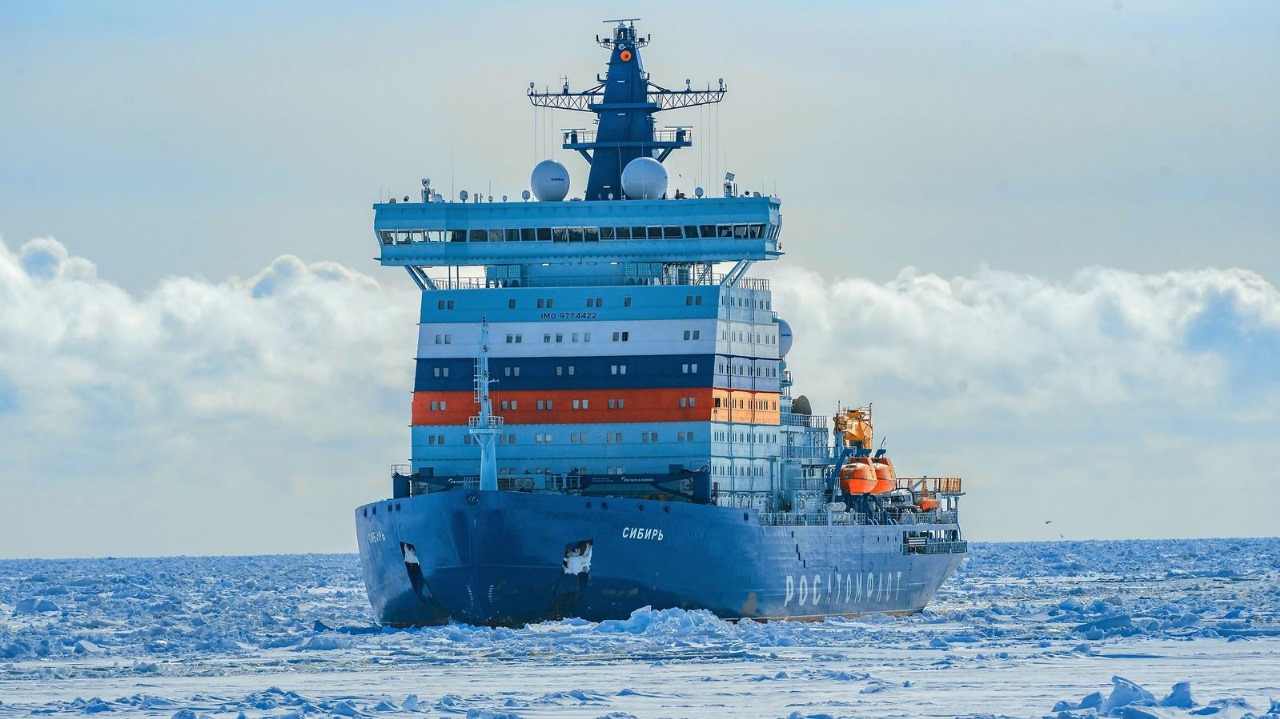
Changes in global trade patterns have also drawn attention to alternative shipping corridors such as the Northern Sea Route (NSR), which connects Europe and Asia through the Arctic region.
Although the route still depends heavily on weather conditions and specialised technologies such as icebreakers, its growing attention reflects how the world is searching for faster, more efficient and sustainable maritime trade systems.
In terms of research and environmental monitoring, the involvement of Malaysian scientists — including institutions such as Universiti Malaysia Terengganu (UMT) demonstrates that the country also possesses expertise in marine research and maritime sustainability.
Economic observers believe Malaysia cannot continue relying solely on traditional economic models if it hopes to remain competitive in the coming decades.
The development of smart ports, digital maritime logistics, investments in green technologies and stronger support for local maritime industries must be accelerated to ensure Malaysia does not merely adapt to global change, but emerges as a key player in the future maritime economy.
What is becoming increasingly clear is that the future global economy will be closely tied to the oceans, technology and sustainability. The question is no longer whether Malaysia has the potential, but whether the country is prepared to seize the opportunity before it is too late.– THE MALAYA POST


Leave a Reply