

A free press can, of course, be both good and bad, but, most certainly, without freedom, the press will never be anything but bad – Albert Camus
SINTOK, KEDAH – During his brief stint as a journalist, Albert Camus, a French author and philosopher, documented the social inequality faced by Muslims in Kabylia, a region in Algeria. His reports highlighted the sufferings of the Muslims in the region, such as famine and poverty, among the main issues, due to systematic exploitation of French colonial policies. Camus’ opinion did not go well with the French, as such criticism was not common in French journalism, but Camus remained committed to his cause. He argues that a free press can be good and bad, but without freedom, the press will never be anything but bad. Camus’ conviction exemplifies the essence of journalism. Journalism exists for both the present and the future, as what is being written today shapes the days of tomorrow through the narratives and framing imposed in each journalistic piece. Journalism is often linked to democracy, yet democracy cannot exist without freedom. After all, freedom is the sine qua non behind democracy’s existence.
Media freedom often exists in a spectrum and no freedom is absolute in any media system operating around the world. A 2022 study on press freedom in Western countries by Theodora Maniou, a journalism lecturer, identified different parameters that influence the dynamics of press freedom in the context of different media systems. Yet a specific set of similar characteristics affects press freedom in every media system. They include the existence and content of privacy laws, media self-censorship and the harassment of journalists. Although conducted four years ago within the Western context, the study’s identified characteristics remain applicable to the journalistic practice in other regions, including in the Southeast Asian region.
In Southeast Asia, Strategic Lawsuits Against Public Participation (SLAPPs) often stifle the responsibility of the press to fulfil its Fourth Estate function. For instance, Maria Ressa, the co-founder of Rappler, an investigative journalism digital-based news outlet in the Philippines, has faced numerous lawsuits through her reporting on misconducts in the country. Journalists in the Philippines often face digital harassment, which impedes their role to report freely. Meanwhile, in Indonesia, journalists are challenged with revised laws that threaten press freedom. Additionally, journalists in Indonesia encounter relentless digital attacks for their reports on critical issues, with over 80 per cent of female journalists surveyed experiencing some form of violence. Malaysia is no exception when it comes to challenges in uplifting press freedom. For Malaysia, press freedom challenges take on several forms, from the handling of subjects deemed sensitive within Malaysian society to issues surrounding concentrated media ownership. It is common knowledge that in Malaysia, the establishment of news media outlets remains in the hands of the government, who control licensing. As the Reporters Without Borders (RSF) 2026 Report mentioned, this makes media ownership highly concentrated, which narrows the voice of the public and undermines journalistic credibility. These examples show that media freedom, the press in particular, remains contested and challenged in Southeast Asia.
Many media outlets and journalists in this region function within an environment of colonial legacies through its enacted laws. Although these laws are gradually going through revisions for the betterment of its citizens, there is more room for improvements with pressing time due to the advancement of technology. Technological advancements, such as those through social media platforms, have made the public more informed. Citizens are more aware of current events and their rights through the mass and quick dissemination of information shared via social media platforms. As much as there are laws needed to maintain social order, journalists have the duty to fulfil their role to correctly inform the public. This includes the ability to report freely through a critical lens without being subjected to self-censorship, impending laws or harassment as currently witnessed across Southeast Asia. As George Orwell once wrote, “When one demands liberty of the press, one is not demanding absolute liberty. Yet, freedom of the press, if it means anything at all, means the freedom to criticise and oppose”.
Democracy is not merely the ability to hold just and fair elections in a nation, but also the ability for the media, the press in particular, to investigate, critique and report freely without fear or favour. This article highlights several factors that challenge a fully functioning press. Nevertheless, media freedom reflects the state of democratic practice of its nation. While total press freedom is an idealistic imaginary, repressed journalism indicates the erosion of democracy among its citizenry. Therefore, journalists and advocates of press freedom must always hold the line.
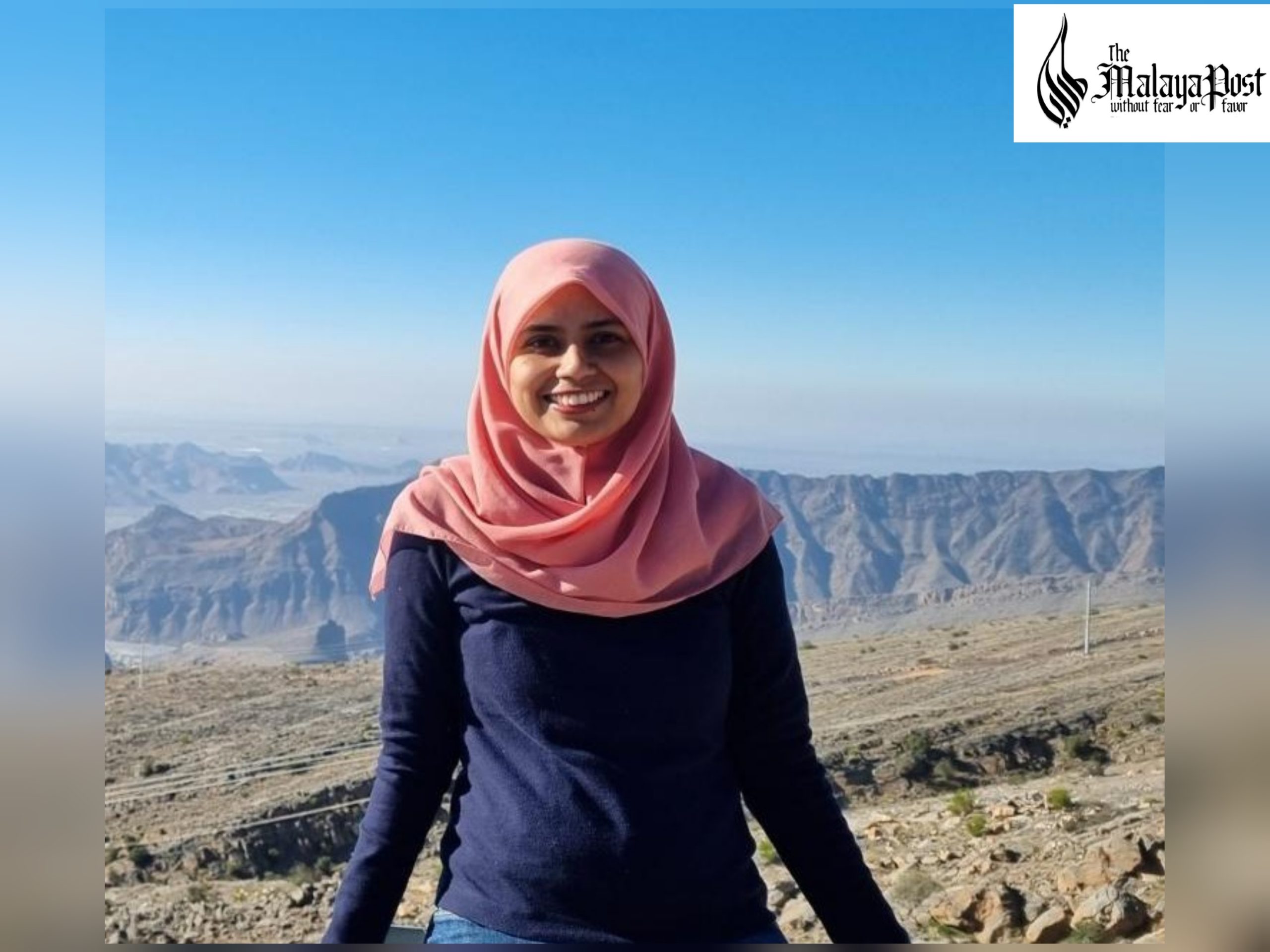
By Normahfuzah Ahmad, PhD. Senior Lecturer in journalism and media, Universiti Utara Malaysia
–THE MALAYA POST


Leave a Reply